We're Here To Help
St. Vincent de Paul Georgia provides a range of programs and services in response to community needs. If you or someone you know is in need of assistance, this page serves as a guide to our services and other resources in the community.

Get Help with Rent, Utilities, Food, and Other Basic Needs
If you are looking for financial assistance, please contact our Assistance Line at 678-892-6163 (or click the button below if on a mobile device). You will be asked to enter your zip code, and will be directed to the local St. Vincent de Paul chapter (called a “Conference”) for your area. These Conferences, associated with Catholic parishes and staffed by volunteers, may be able to provide assistance based on availability of funds.

Apply for Motel to Home Housing Assistance
Families currently living in extended-stay motels may be eligible for housing assistance through our Motel to Home program. The program helps working families transition from motel living into stable, permanent housing. Participants receive individualized support as they work toward long-term housing stability.

Get Help Accessing Your Prescription Medications
The St. Vincent de Paul Georgia Community Pharmacy provides services to the entire state of Georgia, supporting residents who cannot afford to pay for their prescription maintenance medications to treat conditions such as: Diabetes, Arthritis, Asthma, Cardiovascular Disease, COPD, High Blood Pressure, High Cholesterol, Mental Health Conditions, Other Chronic Conditions.
Get Help Accessing Benefits and Community Resources
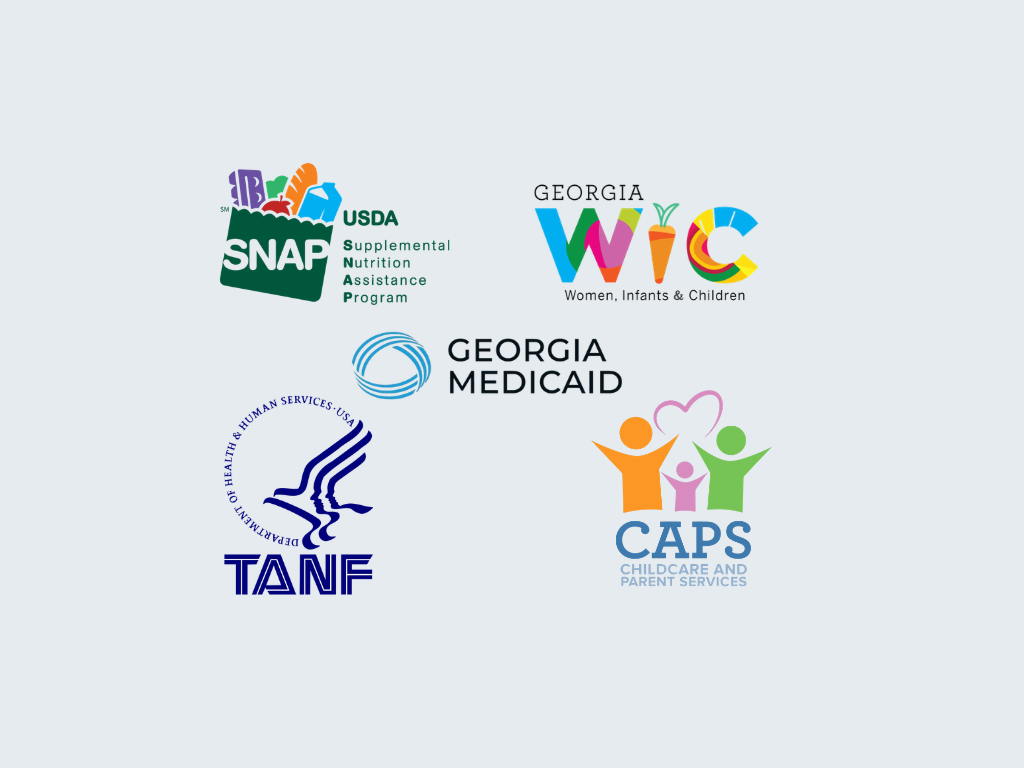
St. Vincent de Paul Georgia provides benefits assistance, including Supplemental Nutrition Assistance Program (SNAP), Medicaid, WIC, CAPS, and TANF, to ensure individuals and families have access to sufficient resources.

Find Additional Community Resources
United Way of Greater Atlanta’s 211 Contact Center is helping address the negative impacts of the coronavirus in our communities. 211 is an emergency referral service that connects people to the resources they need to address everyday challenges of living and those that develop during times of community emergencies.